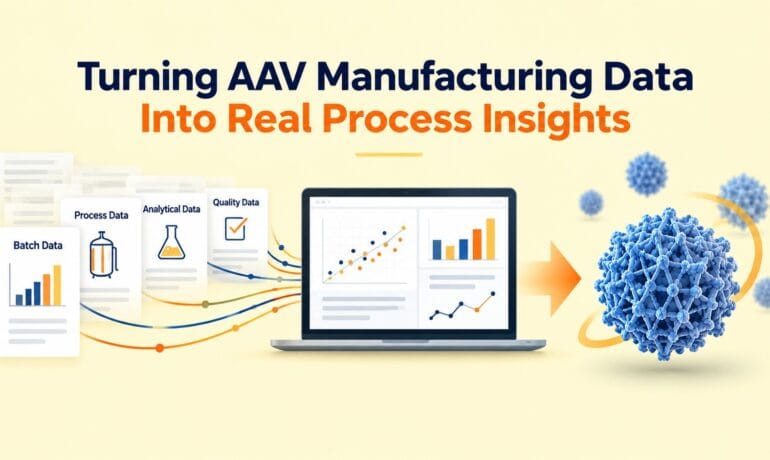
Case Study: Using Manufacturing Intelligence to Improve AAV Batch Performance

How historical AAV manufacturing data can uncover process optimization opportunities and help Process Development and MSAT focus their investigations AAV manufacturing generates large amounts of data across manufacturing systems, process historians, batch records, in-process testing and QC laboratories. But the data is often reviewed one batch or one system at a time. That makes it

Read More

Assurea × Seeq Corporation: A New Partnership for GxP-Regulated Analytics

We’re excited to announce a new partnership between Assurea and Seeq to help pharma and biotech organizations adopt Seeq for Pharma within GxP-regulated environments. Assurea will serve as the implementation and validation partner for Seeq. As part of the partnership, Assurea has developed a validation package for Seeq that combines Assurea’s expertise in CSV and

Read More

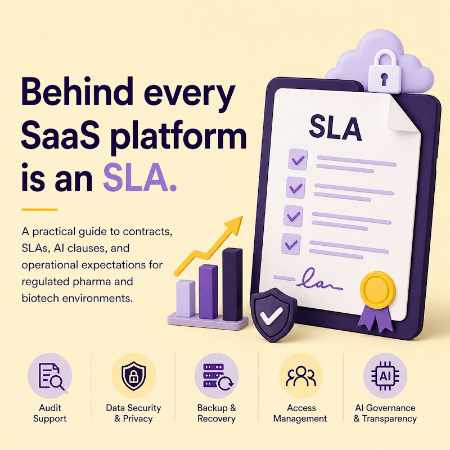
Contract & SLA Checklist for SaaS and AI Vendors in Pharma GxP Environments

Pharma companies cannot rely on standard commercial SaaS contracts alone when regulated systems, GxP data, or AI-enabled workflows are involved. In regulated environments, contracts and SLAs help define operational oversight expectations that support validation, data integrity, cybersecurity, supplier governance, and inspection readiness. Most commercial agreements are designed around uptime and commercial liability. Pharma and biotech

Read More
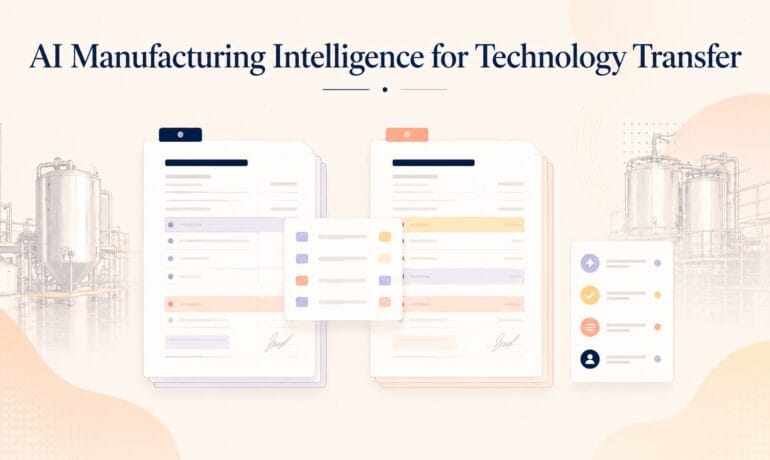
AI manufacturing intelligence dashboard for technology transfer and batch record review

AI Manufacturing Intelligence for Technology Transfer: Reducing Manual Master Batch Record Reviews

How AI-powered document analytics helps manufacturing teams compare complex documentation, identify process differences, and accelerate technology transfer while keeping GMP decisions under human oversight. Technology Transfer Is Still a Documentation-Intensive Process Successful technology transfer is about far more than moving a manufacturing process from one facility to another. It requires ensuring that manufacturing knowledge is

Read More
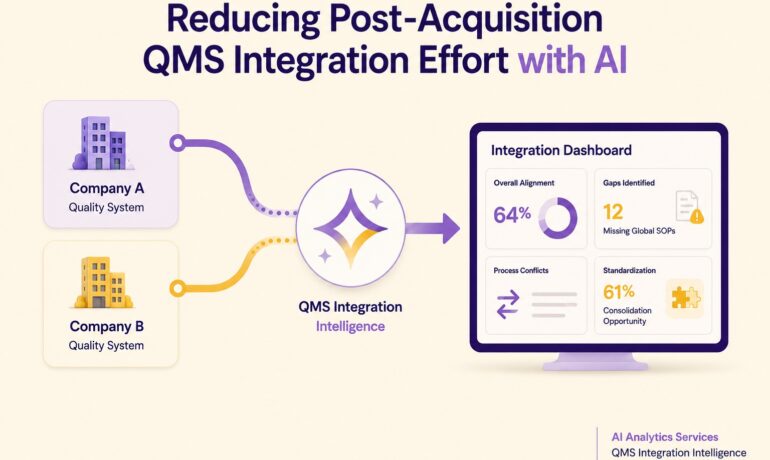
AI-assisted QMS alignment after a biotech acquisition

Reducing Post-Acquisition QMS Integration Effort with AI 

How Assurea helped a biotechnology company assess and align site vs global QMS following an acquisition using AI-assisted analytics and expert quality review. Project Overview Following the acquisition of a biotechnology company, our client needed to understand how the acquired site’s Quality Management System (QMS) aligned with its global quality framework before beginning integration activities.

Read More
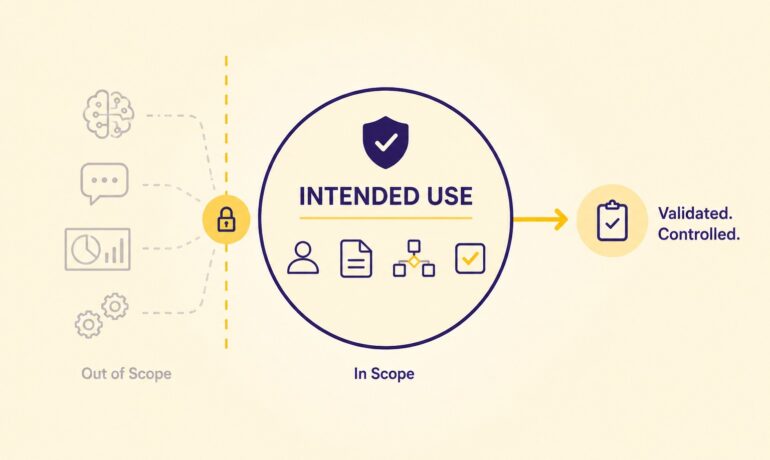
Defining intended use for AI and SaaS tools in pharma

How to Define Intended Use for AI and SaaS Tools in Pharma

Defining intended use is one of the most important steps in validating AI and SaaS tools in regulated pharma and biotech environments. The intended use statement establishes validation scope, testing strategy, risk classification, supplier oversight expectations, and procedural controls. For AI systems, this is often more difficult than traditional software because operational usage can evolve

Read More

AI Governance Frameworks That Work for Pharma

An AI governance framework for pharma works only when it goes beyond policy. It needs to connect each AI use case to a clear intended use, a defined risk tier, required controls, and ongoing monitoring. That is what makes the framework usable in practice and defensible in audit. If those links are missing, the framework

Read More
AI-driven summarization of supplier audit data for a biotech company

Case Study: AI-Driven Supplier Audit Data Summarization

Turning Supplier Audit Files into Actionable Insights for a Mid-Size Biotech Introduction A mid-size biotech organization with approximately 600 employees and a single GMP manufacturing site faced a common challenge: hundreds of supplier audit reports, self-assessment questionnaires, and CAPA summaries stored across multiple folders, but no easy way to extract trends or prioritize risks. The

Read More
AI-driven trending analysis of adverse events data in a biotech safety program

Use Case: AI-Driven Trending and Adverse Events Data Analysis for Biotech Safety Surveillance

Scenario & Background A mid-sized biotech company developing a novel oncology cell therapy was running multiple Phase II trials across different sites. The company’s internal safety team was overwhelmed by the volume of adverse event (AE) reports and needed support in: However, the client did not want a new IT platform or continuous system integration.

Read More