Assurea Blog: Computer System Validation, GxP Compliance & AI Insights for Biotech, Pharma & Medical Device Teams

Assurea × Runtime Verification: A New Partnership for Medical Device Software Assurance

We’re excited to announce a new partnership between Assurea and Runtime Verification! As software becomes increasingly critical to medical devices, SaMD, and artificial organs, companies need stronger ways to demonstrate that their software is safe, reliable, and ready for use in a regulated environment. This partnership brings together two complementary strengths. Runtime Verification brings deep
Read More

SaaS and Cloud Validation in Life Sciences: What Makes It Different and What Inspectors Really Ask

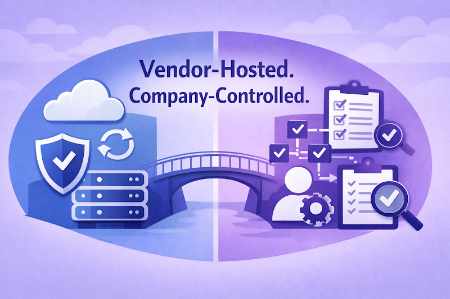
SaaS and cloud validation is different because the regulated company no longer controls the full technical stack, but it still owns intended use, oversight, data integrity, access, and compliance. That is where many teams misunderstand the real validation challenge. When a system is vendor-hosted, the validation work does not go away. It shifts. Instead of

Read More

How to Audit IT Infrastructure in GxP Environments

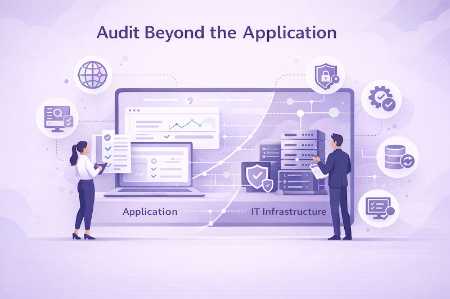
Auditing IT infrastructure in a GxP environment means checking whether the technical foundation behind regulated systems is controlled, supportable, and appropriate for its intended use. The audit should not stop at servers or network diagrams. It should test whether access, changes, backups, monitoring, and supporting services are managed in a way that protects system reliability

Read More

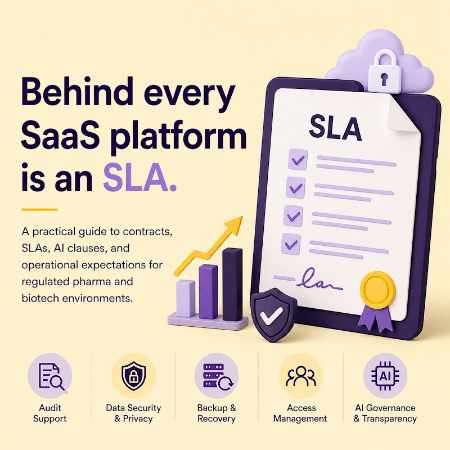
Contract & SLA Checklist for SaaS and AI Vendors in Pharma GxP Environments

Pharma companies cannot rely on standard commercial SaaS contracts alone when regulated systems, GxP data, or AI-enabled workflows are involved. In regulated environments, contracts and SLAs help define operational oversight expectations that support validation, data integrity, cybersecurity, supplier governance, and inspection readiness. Most commercial agreements are designed around uptime and commercial liability. Pharma and biotech

Read More

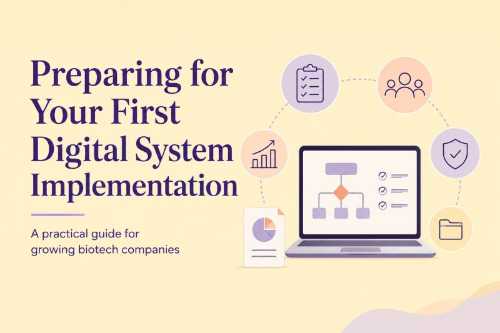
Preparing for Your First Digital System Implementation: A Practical Guide for Growing Biotech Companies

For a growing biotech company, implementing the first major digital system is an important milestone. Paper records, spreadsheets, shared drives, and disconnected tools that worked during early growth may no longer support increasing operational complexity, regulatory expectations, or future scale. The natural response is often to start evaluating software. But selecting an eQMS, LIMS, LMS,

Read More
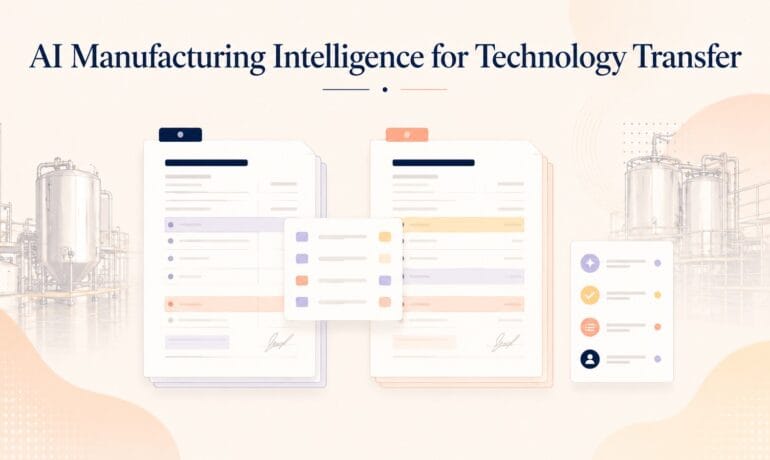
AI manufacturing intelligence dashboard for technology transfer and batch record review

AI Manufacturing Intelligence for Technology Transfer: Reducing Manual Master Batch Record Reviews

How AI-powered document analytics helps manufacturing teams compare complex documentation, identify process differences, and accelerate technology transfer while keeping GMP decisions under human oversight. Technology Transfer Is Still a Documentation-Intensive Process Successful technology transfer is about far more than moving a manufacturing process from one facility to another. It requires ensuring that manufacturing knowledge is

Read More
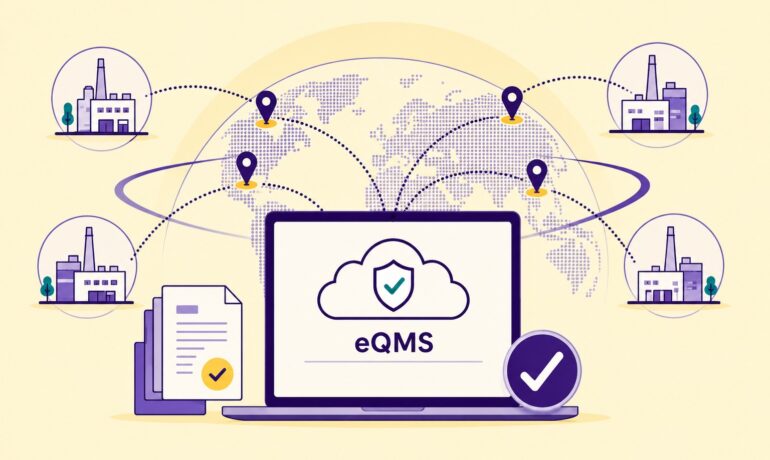
Illustration representing eQMS selection considerations for biotech companies

Validation of Veeva Vault Quality for a Global CDMO

How Assurea validated a U.S. deployment of Veeva Vault Quality and established a reusable validation framework for future global site rollouts. Project Overview When a global Contract Development and Manufacturing Organization (CDMO) selected Veeva Vault Quality to standardize its quality management processes, the first deployment was planned for a U.S. manufacturing site located on the

Read More
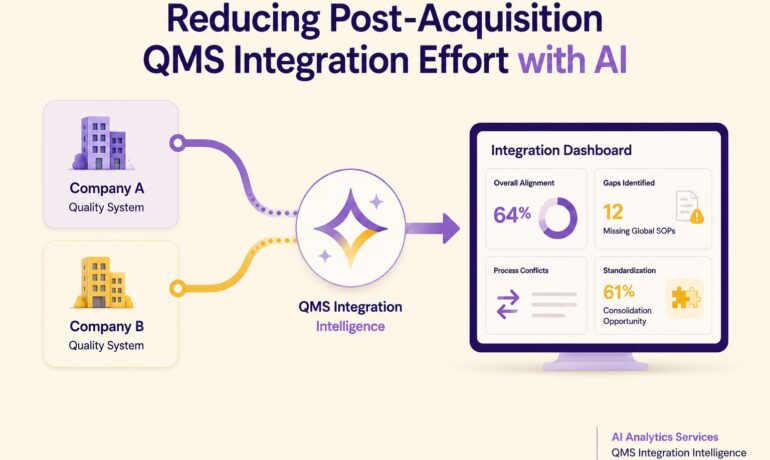
AI-assisted QMS alignment after a biotech acquisition

Reducing Post-Acquisition QMS Integration Effort with AI 

How Assurea helped a biotechnology company assess and align site vs global QMS following an acquisition using AI-assisted analytics and expert quality review. Project Overview Following the acquisition of a biotechnology company, our client needed to understand how the acquired site’s Quality Management System (QMS) aligned with its global quality framework before beginning integration activities.

Read More
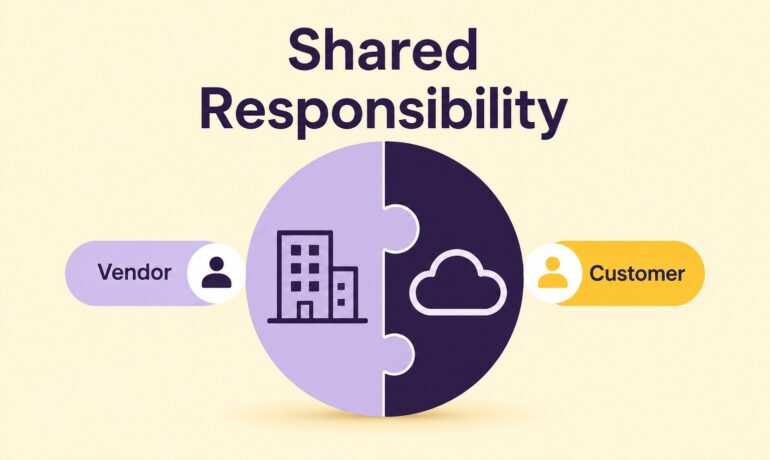
Shared responsibility between vendor and regulated company in SaaS validation

Who Owns What in SaaS Validation? Vendor vs Regulated Company Responsibilities

Many life sciences organizations commonly ask this question when implementing a SaaS platform: “If the vendor already validated the system, what do we still need to do?” The answer is straightforward. The vendor is responsible for the platform it develops, operates, and maintains. The regulated company remains responsible for how that platform is configured, governed,

Read More
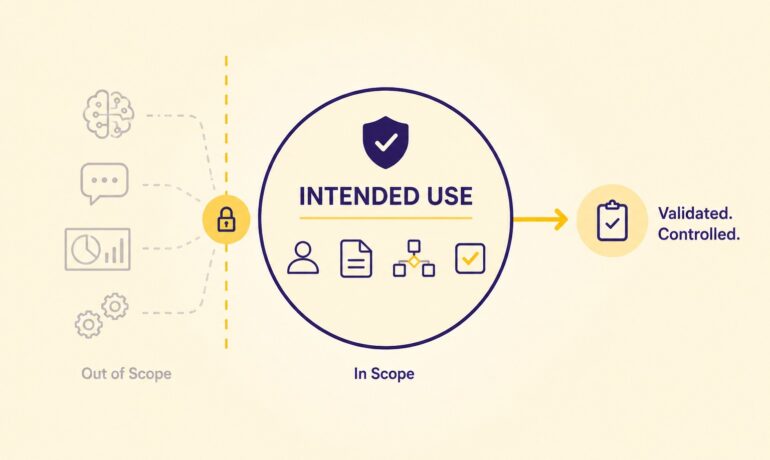
Defining intended use for AI and SaaS tools in pharma

How to Define Intended Use for AI and SaaS Tools in Pharma

Defining intended use is one of the most important steps in validating AI and SaaS tools in regulated pharma and biotech environments. The intended use statement establishes validation scope, testing strategy, risk classification, supplier oversight expectations, and procedural controls. For AI systems, this is often more difficult than traditional software because operational usage can evolve

Read More